
Top 10 Lightweight Backpacking Tents: Best Tent For One Person

Selecting the ideal solo tent may seem challenging, but rest assured, you can certainly discover one that’s both light and handy for all your wilderness excursions.
After extensive research and comparisons among multiple options, I’ve compiled my top ten suggestions to support other nature enthusiasts in making their upcoming journey memorable.
Let’s begin.
This page contains affiliate links, and that means that I may earn a commission if you buy something, at no extra cost to you. You can find my full disclosure policy here.
Big Agnes Copper Spur HV UL1
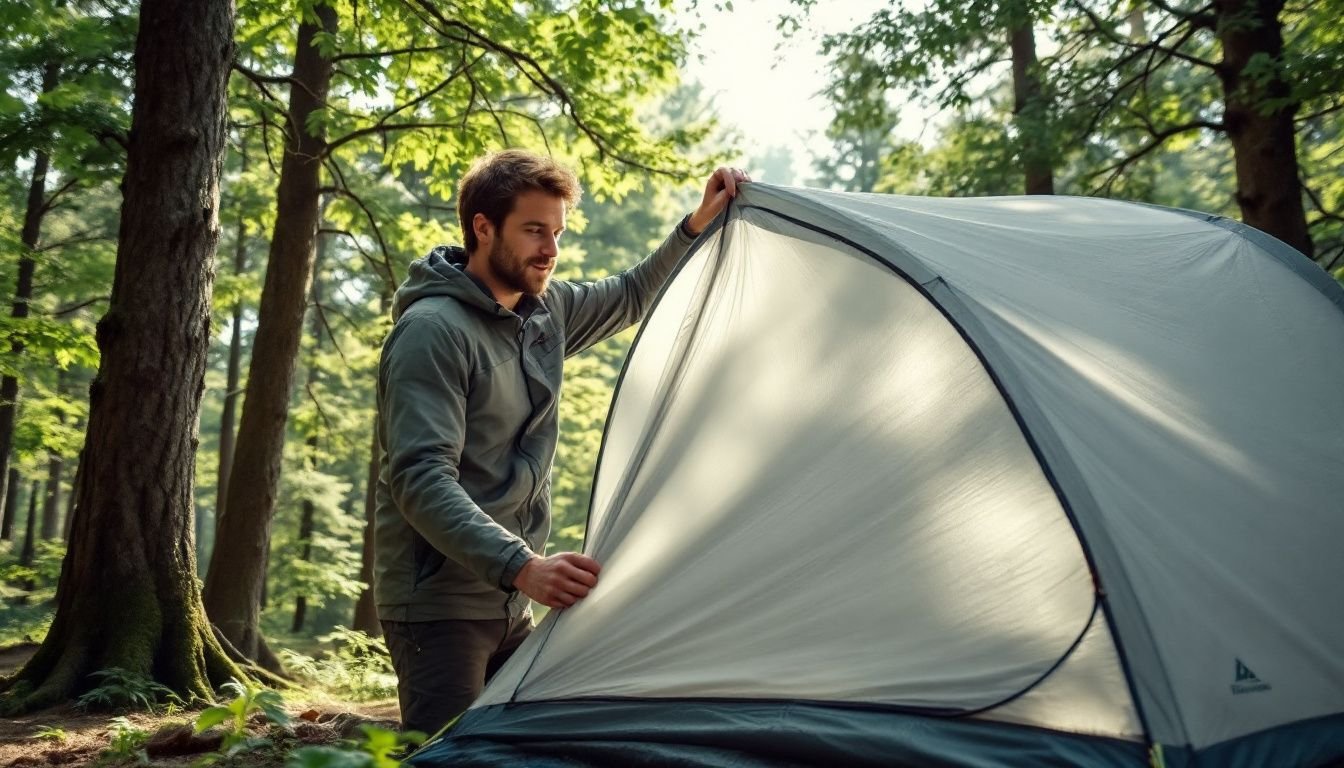
I tried the Big Agnes Copper Spur HV UL1 and found it great for solo hikes. This one person tent is light, weighing just over 2 pounds. It packs small, making it easy to fit in my backpack.
Its design gives good space inside, so I can sit up and move around without feeling cramped. The tent has a double wall which helps keep me dry in rain.
It sets up fast with trekking poles or the included lightweight poles. The fabric is strong yet light, keeping the weight down. There’s enough room for my gear inside too. I also like the two doors and vestibules for extra storage outside but under cover.
This tent works well in different weather, making it reliable for many trips.
MSR Hubba Hubba NX Solo
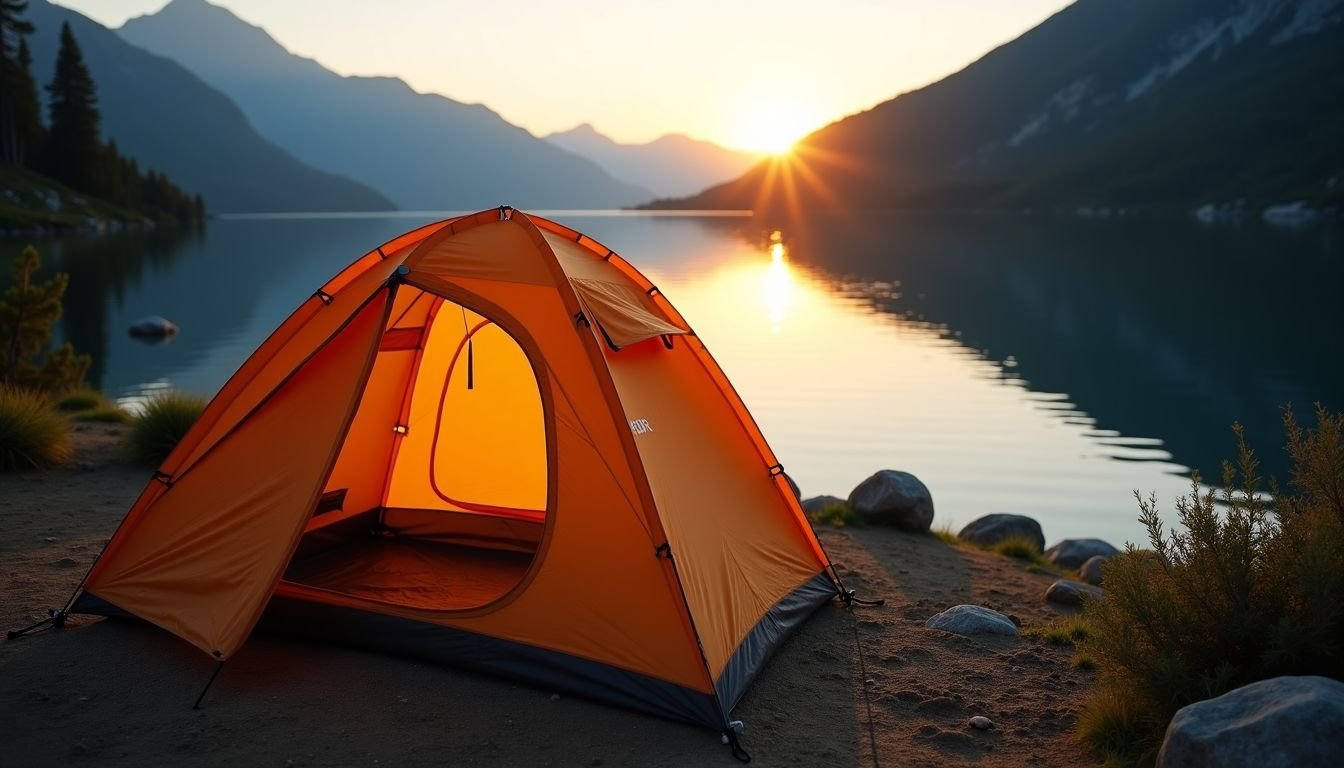
The MSR Hubba Hubba NX Solo is a top pick for those who love to go backpacking alone. It’s light but tough, making it easy to carry without worrying about rips or damage. This tent has enough space inside, so you feel comfortable and not cramped.
Its design allows for quick setup, which is perfect after a long day of hiking. Plus, the rain fly gives great weather protection, keeping you dry during storms.
This one-person shelter also impresses with its breathability and the way it manages condensation a common problem in many tents. You’ll find two large doors that make getting in and out simple, and there’s plenty of room to store your gear safely inside.
For solo trekkers wanting reliability and comfort in the outdoors, this tent hits all the right notes.
MSR Hubba Hubba NX Solo offers a balance between weight and comfort that few other tents can match.
Nemo Hornet Elite OSMO 1P
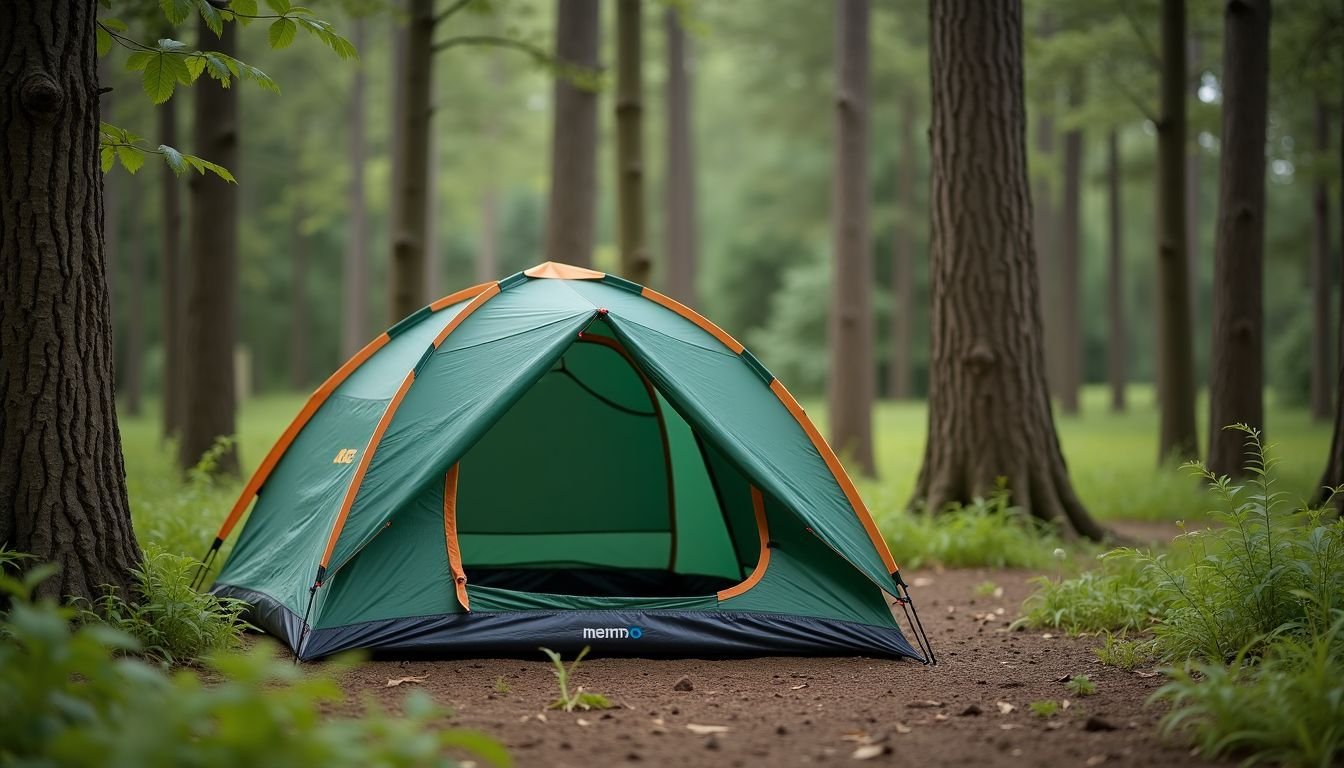
I found the Nemo Hornet Elite OSMO 1P to be a standout for solo trips. This tent really shines with its ultralight design. It weighs barely anything, making it easy to carry on long hikes.
The tent uses strong materials that help it stand up to wind and rain. Inside, there’s enough room for me and my gear without feeling cramped.
This model also impressed me with its smart features. It has a dual door design so I can get in and out easily. The mesh sides keep bugs out while letting air in, which is great during warm nights.
Setting it up is quick too, thanks to its simple pole system. For anyone looking for a lightweight one person shelter, this tent fits the bill perfectly.
Zpacks Duplex Solo
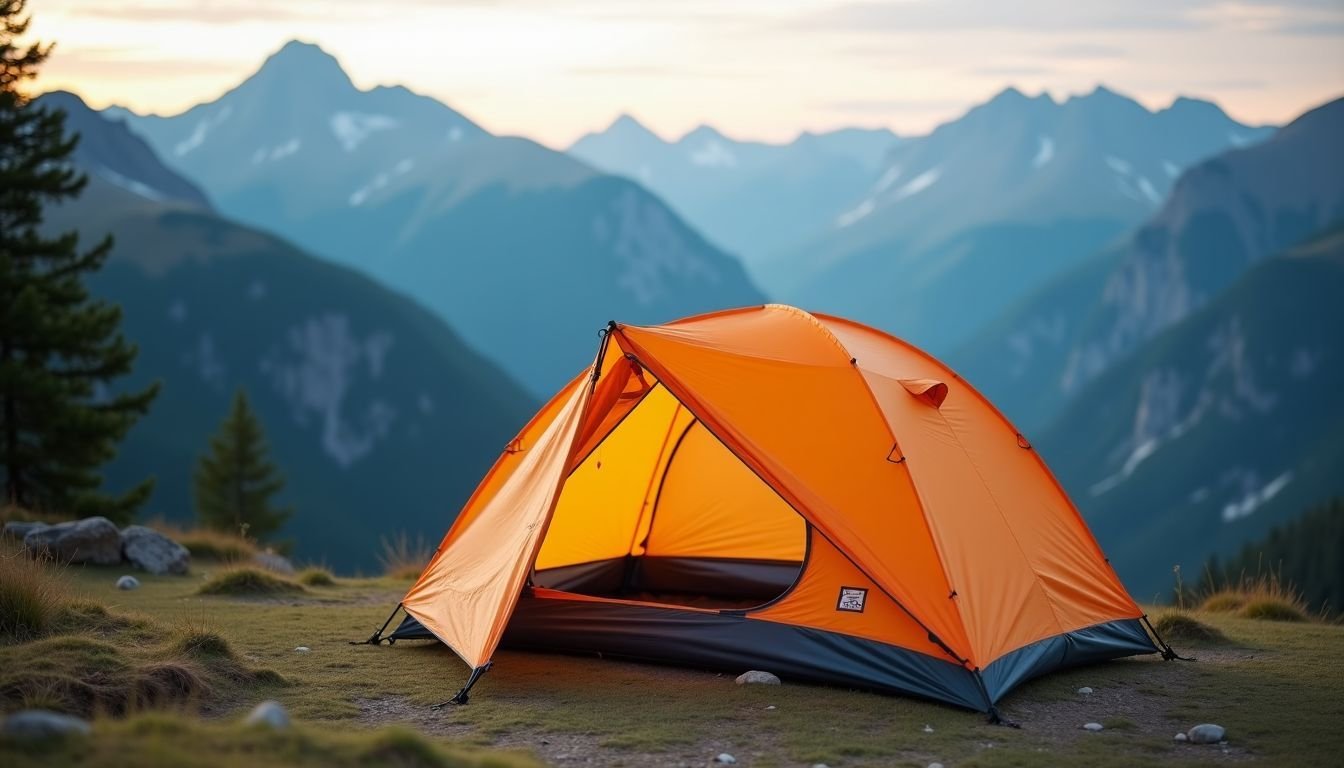
The Zpacks Duplex Solo is a top pick for ultralight backpacking. It’s very light, thanks to its cuben fiber material. This tent offers plenty of space inside and keeps weight down.
Setting it up requires two trekking poles, making it not freestanding. For someone who counts every ounce on the trail, this tent is a game changer.
It stands out for being weather resistant and having a spacious interior for one person or gear storage. The Duplex Solo manages to blend minimal weight with durability brilliantly.
Next in line is the Sea to Summit Alto TR1, bringing its own set of advanced features for solo travelers.
Sea to Summit Alto TR1
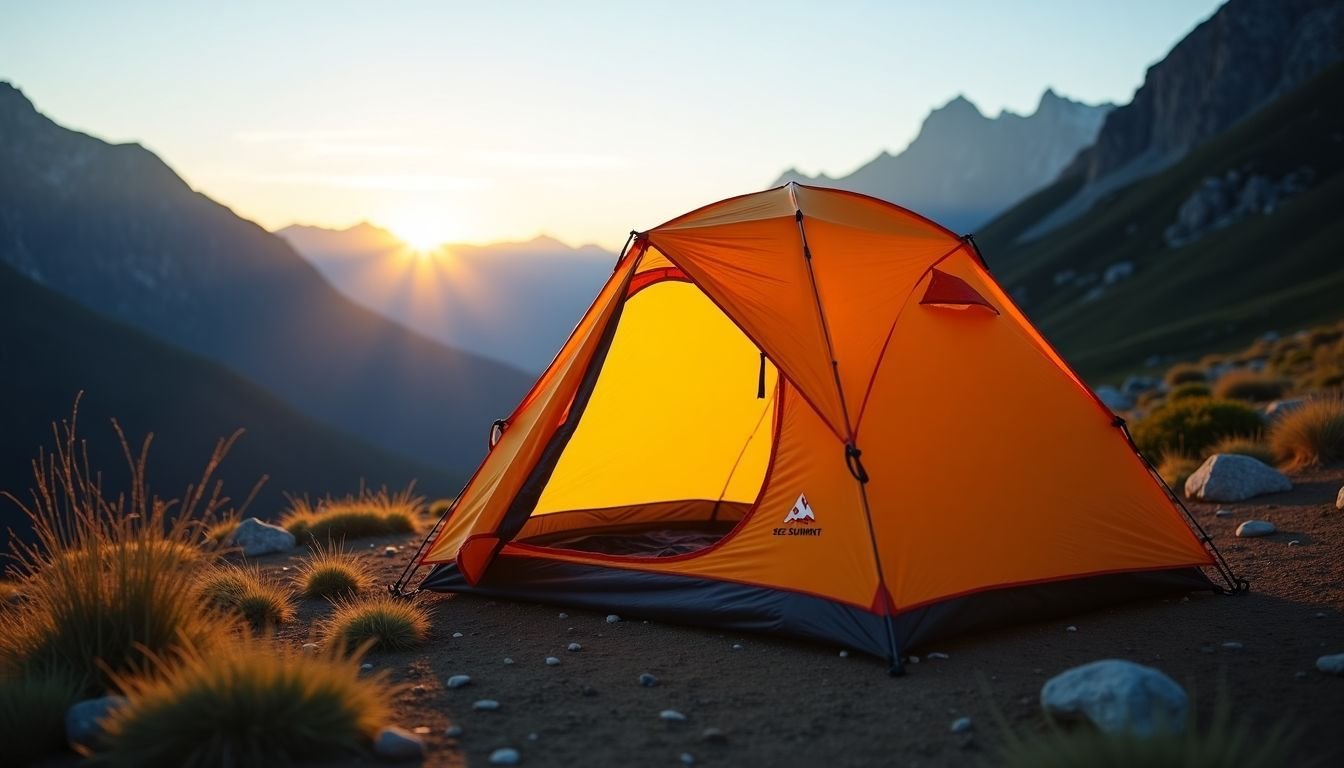
Moving from Zpacks Duplex Solo, another great choice for solo travelers is the Sea to Summit Alto TR1. This backpacking tent stands out for its innovative design and ultralight weight.
It’s a semi freestanding tent, which means it can stand on its own but performs best with stakes. Its unique Tension Ridge architecture gives more headroom and space inside, making it feel roomier than other tents in its class.
The Alto TR1 shines in all conditions. It comes with a double wall construction that helps keep you dry during rainstorms and reduces condensation on chilly nights. Weighing just over two pounds, it won’t weigh down your pack on long hikes.
I found setting it up to be quick and straightforward, thanks to the color-coded poles and clips.
Packing light doesn’t mean skimping on comfort with the Sea to Summit Alto TR1.
Tarptent ProTrail Li
I recently tried the Tarptent ProTrail Li for my solo adventures. This one-person ultralight tent caught my eye with its low weight and compact design, making it easy to carry on long trips.
Made from Dyneema, which is a strong fabric known for its durability, it resists water and wear well. This model is an upgrade from older versions, offering more space inside for comfortable sleeping and storing gear.
The setup process was straightforward, thanks to the simple structure supported by trekking poles instead of traditional tent poles. I appreciated the interior pockets for organizing small items and found the vestibule spacious enough for my backpacking boots and pack.
It stood up well against wind when I tested it on a breezy night near the Oregon Coast Trail. For outdoor enthusiasts looking for a balance between comfort and portability in their shelter options, this tent could be a great pick.
Durston X-Mid 1P
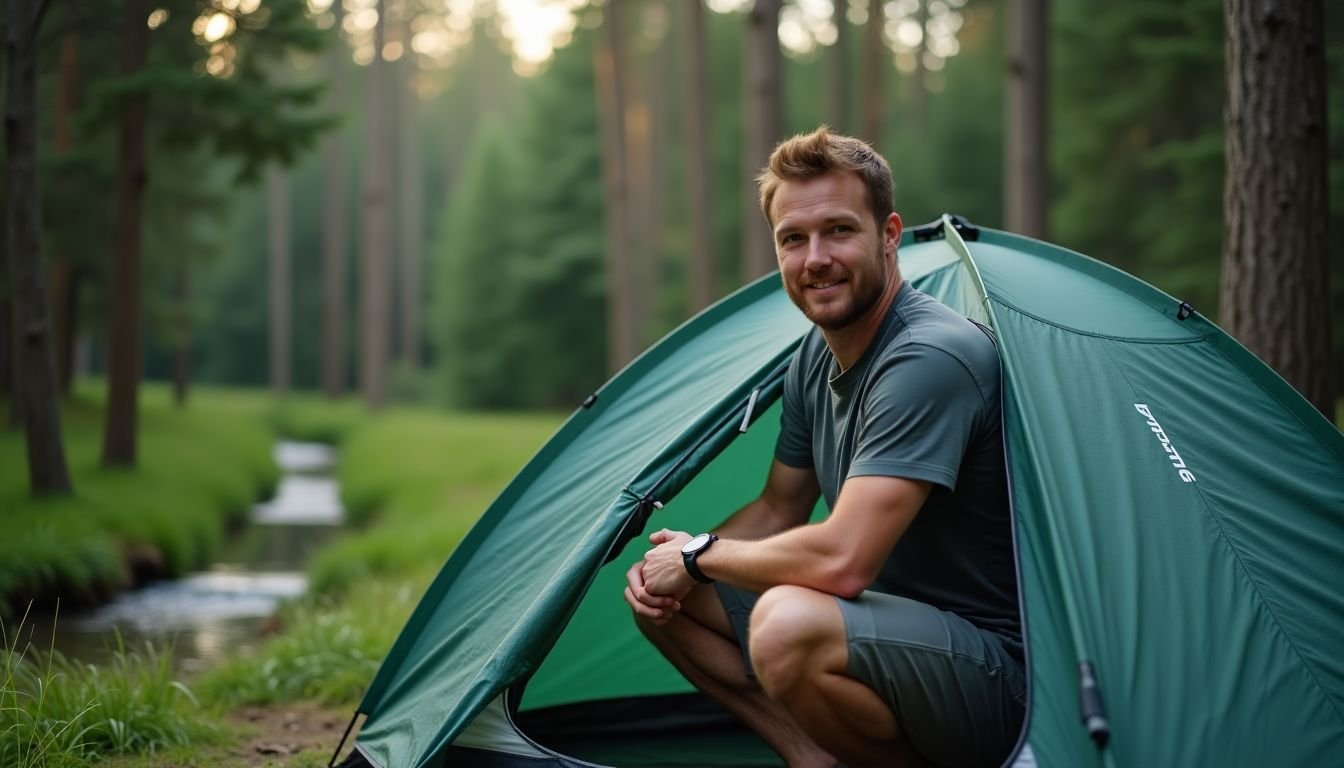
After exploring the Tarptent ProTrail Li, I turned my attention to the Durston X-Mid 1P. This tent stands out for its clever design and efficient use of space. What makes it special is its double-wall structure that prevents condensation inside, keeping me dry during damp nights outdoors.
It’s a non-freestanding tent, which means it requires stakes to set up. But this design choice actually cuts down on weight, making the Durston X-Mid one of the lightest shelters in my gear.
The setup process surprised me with its simplicity. With just two trekking poles and a few minutes, I had a sturdy shelter ready to go. Its polyester fabric is durable against wear and tear yet still lightweight enough not to weigh down my pack.
The tent’s interior space feels roomy for a solo traveler like me, with pockets for storing small items securely off the ground cloth. Plus, the vestibule doors offer extra storage space for boots or backpacks outside the sleeping area but under cover from rain or morning dew.
Six Moon Designs Lunar Solo
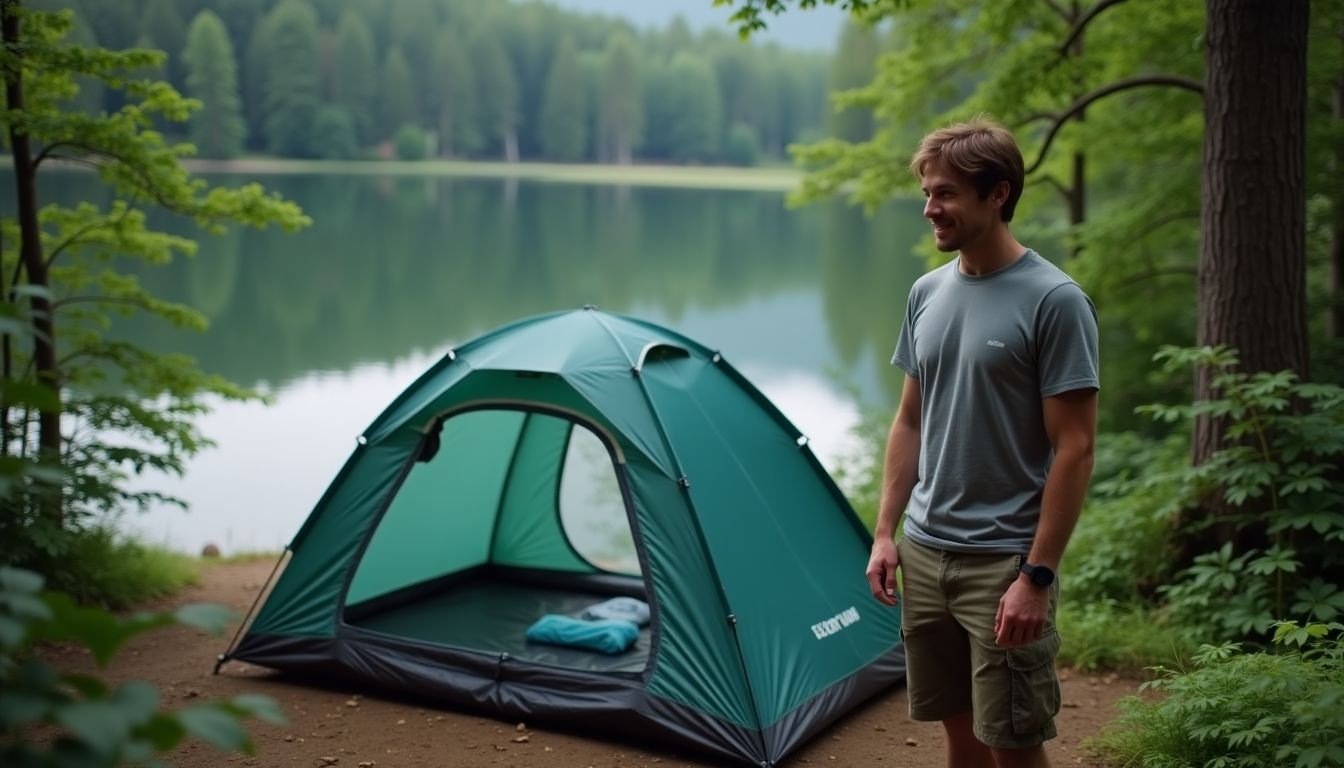
The Six Moon Designs Lunar Solo emerges as a distinct choice for outdoor enthusiasts like myself in need of a lightweight and durable tent. Its single-wall design provides an impressive balance between weight reduction and protection from weather conditions.
The tent requires just one taller trekking pole for support, enabling straightforward assembly wherever my day’s hike concludes. The floor space appears abundant, granting me ample space to stretch out with my gear.
The Lunar Solo offers substantial interior space without adding weight to your pack.
This shelter truly excels in light-weighting my trail gear. Tipping the scales at just 26 ounces, it doesn’t add much bulk to my backpack. Constructed from premium materials, inclusive of waterproof fabric, this solo shelter ensures I remain dry during sudden showers.
It also offers a spacious vestibule area for stashing boots and other gear outside the sleeping region. For those, like me, who keep a check on every ounce but don’t compromise on comfort in the wilderness, this one-person ultra-light tent emerges as an unbeatable choice.
REI Flash Air 1
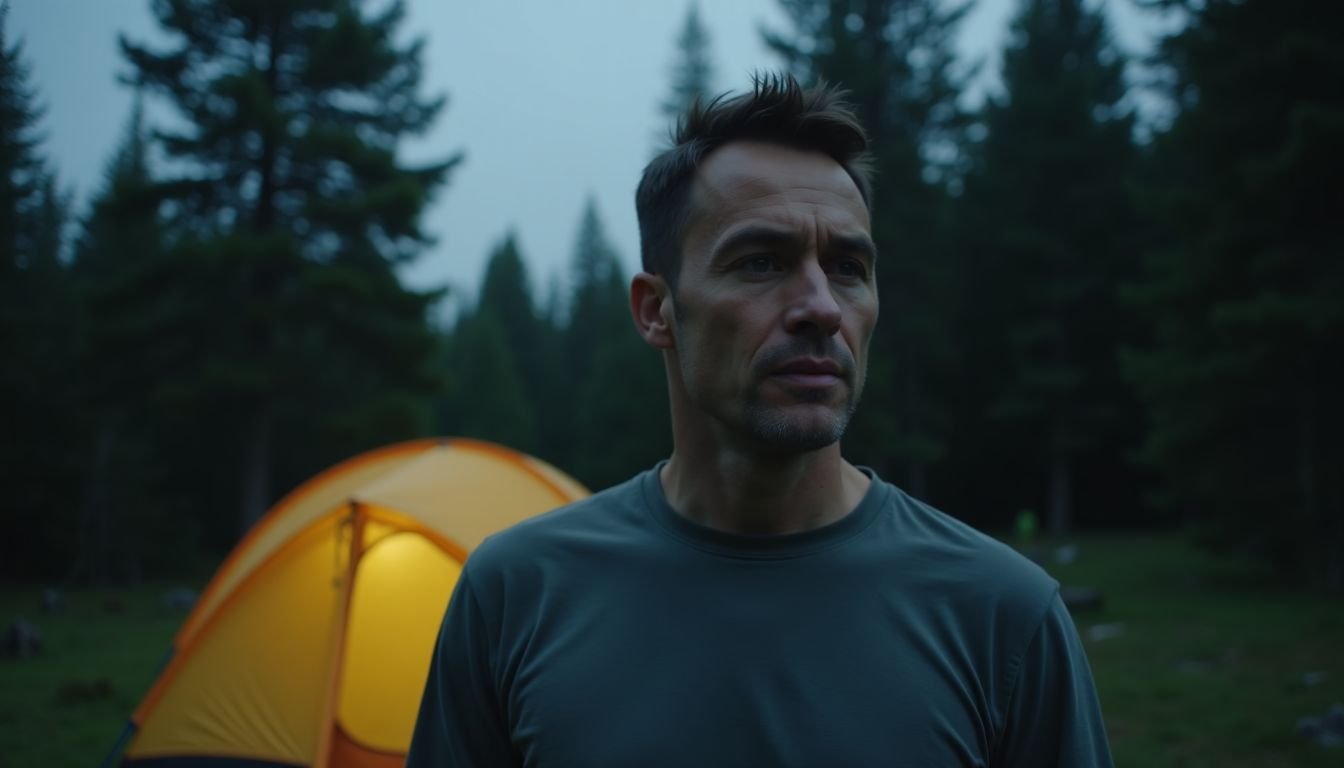
Moving on from the Six Moon Designs Lunar Solo, we find the REI Flash Air 1. This tent stands out as a top pick for solo adventurers who value quick setup and lightweight gear. It weighs just over 2 pounds, making it one of the lightest options available.
I chose this tent because it offers an excellent balance between weight and comfort.
REI designed the Flash Air 1 with ease in mind. Setting it up is fast and simple, using only a single pole or even a trekking stick. Its interior is surprisingly roomy for an ultralight shelter, giving me enough space to stretch out after a long day on the trail.
The mesh sides provide great ventilation while keeping bugs out, which has been perfect during warmer trips. What really makes this tent stand out is its adaptability; you can set it up with or without the fly depending on weather conditions, offering flexibility that many other ultralight tents lack.
Hyperlite Mountain Gear UltaMid 2
The Hyperlite Mountain Gear UltaMid 2 stands out as a great choice for campers who want a shelter that’s both light and strong. This pyramid-shaped tent uses a single trekking pole for support, eliminating the need for traditional poles.
Made from waterproof fabric, it keeps me dry in snowstorms and heavy rain. It’s spacious enough to fit two people, making it more versatile than most one-person ultralight tents.
This winter tent is easy to set up with just a bit of practice. I used my own sleeping bag and pad inside to test its comfort level during cold nights in the backcountry. The center pole design leaves plenty of headroom and space to move around or store gear.
Packing this tent into my bag was simple due to its light weight and compact size.
Next, consider what features matter most for your adventures outdoors.
Key Features to Look for in Lightweight Backpacking Tents
Finding the right tent for solo adventures means focusing on a few important features. Weight and how small it packs are key, since carrying less makes hiking easier. Look for tents that stand up to rain and wind without weighing you down.
Inside, you want enough room to be comfortable but not so much that it adds unnecessary weight.
Weight and Packed Size
I always check the weight and packed size before I pick a tent. Light gear makes my hikes easier. The best ultralight tents weigh just a few pounds, some even less than two. This is crucial for me because carrying less weight means I can hike longer distances without getting tired.
Packed size matters too. A small packed tent fits easily in my backpack, leaving space for other camping essentials like sleeping bags and pads.
I look at stuff sacks and pole bags to help reduce the overall bulkiness of my load. By choosing tents with a low packed weight and compact size, I manage to keep my backpack light and efficient for any adventure.
Whether it’s fastpacking or a weekend trek, these features are key to enjoying the outdoors without feeling weighed down by heavy equipment.
Weather Resistance
Weather resistance is crucial for any outdoor equipment, particularly tents. Tents need to be resilient to rain, wind, and even snow. My experience has shown me that the ideal tent for a single person provides protection during a storm and withstands heavy gusts without falling apart.
A majority of contemporary tents feature a dual-wall design which aids in this process. The exterior layer repels water, while the interior layer promotes insulation and stops condensation.
I’ve realized that inspecting the floor material and seam seals is also vital. Tents with a dense fabric on the groundsheet provide superior protection against moist groundsites. Seams ought to be sealed with tape to prevent water intrusion where the fabric pieces come together.
This element can significantly influence your camping experience in adverse weather. I always select tents that clearly list their weatherproof elements like sturdy zippers, fortified corners, and a vestibule space for my boots and backpack to remain dry as well.
Interior Space and Livability
In choosing a tent, I always look at how much room inside it offers. A great interior space means more than just where you sleep. It includes where you keep your gear, change clothes, or sit up to read.
Tents with a higher peak height and larger floor area make these activities easier. For solo adventures, tents marketed as “two-person” can offer that extra space without adding too much weight.
Another key point is the design of the tent body itself. Some have near-vertical walls thanks to an arch pole design; this gives more usable space. Single-wall tents might weigh less, but double-wall versions prevent condensation better and generally provide a more comfortable living area.
Every inch matters in outdoor gear; thus, picking the right backpacking tent impacts overall enjoyment on any trip.
Always choose comfort along with lightness for long treks.
How to Choose the Best Tent for Your Needs
Picking the right tent means looking at your camping style and what you value most. Think about where you’ll set up camp, how long you’ll be out, and what kind of weather you expect to face.
Will you hike far distances? An ultralight model saves weight but might offer less space. If budget is a concern, there are affordable options that still perform well. Decide between tents that stand alone or ones that need stakes and guy lines to stay up.
Your choice impacts setup time and flexibility in choosing camp spots. Learn more to find the perfect match for your adventures outside.
Ultralight vs. Budget Options
Choosing between ultralight and budget tents is a big decision for outdoor fans like me. Ultralight tents are all about weight savings. These shelters, such as the Big Agnes Tiger Wall or Zpacks Duplex Solo, are perfect for thru-hikers on trails like the Continental Divide Trail.
They’re made with tent fabric that’s light but strong. Yet, they can be pricey.
On the other hand, budget options might be heavier but are kinder to your wallet. You get more room with these tents without spending a lot. Sure, carrying them is tougher due to their weight.
But if you’re not hiking long distances and just want a comfortable sleep system at campsites, these cheaper choices work great. I had to think about what mattered most: the ease of carrying my shelter or having extra cash for other gear.
Freestanding vs. Semi-Freestanding Designs
Examining the choice between investing in an ultralight tent or a more budget-friendly option, let’s discuss the distinctions between freestanding and semi-freestanding tents. Freestanding tents are self-supporting, eliminating the necessity for stakes.
This characteristic makes them simple to assemble and reposition. They excel in locations where it’s impossible to embed stakes, such as rocky terrains. I appreciate their convenience, as I can erect my tent first and then decide its location upon evaluating my campsite.
Conversely, semi-freestanding tents provide a slight twist. Although they have a standalone structure, they still need some stakes to fully expand or retain their shape. These usually weigh less than most freestanding models, a significant benefit for me when minimizing load is crucial.
Still, accurately setting them up demands more effort. If my destination is windy or I foresee harsh weather conditions, I prefer my semi-freestanding tent for added stability due to its stakes firmly planted in the ground.
Camping Essentials Guide
Packing right is key for a good camping trip. I always make sure to include every must-have item on my list. Here’s what I carry:
- Tent – A lightweight, one-person tent is essential. It’s my shelter and my personal space at camp.
- Sleeping bag – Depending on the weather, I choose a sleeping bag that keeps me warm at night.
- Sleeping pad – This adds comfort and insulation from the cold ground.
- Backpack – My ultralight gear fits into a durable backpack that’s comfortable to carry all day.
- Cooking gear – A small stove, fuel, and a pot make up my cooking set. Don’t forget a lighter or matches.
- Food and water – I pack high-energy food that won’t spoil and enough water for my trip. Sometimes, I bring a filter for natural water sources.
- Clothes – Packing layers works best for me to handle changing weather.
- Rain gear – A waterproof jacket keeps me dry during rain showers.
- First aid kit – It’s small but has essentials like bandages, antiseptic wipes, and pain relievers.
- Map and compass – Even if I plan to use GPS, these are reliable backups for navigation.
- Headlamp or flashlight – This is crucial when it gets dark; extra batteries are a must too.
- Fire starter – For evenings by the fire or emergency warmth, I make sure to have waterproof matches or a fire striker.
- Knife or multi-tool – It comes in handy for food prep, repairs, or first aid situations.
- Sun protection – Sunglasses, sunscreen, and a hat protect me from the sun during long days outside.
15.Trekking poles help with balance on uneven trails or steep climbs,.
Now you know what I pack for camping trips to keep myself safe and comfortable outdoors! Moving on to tips for maintaining your tent…
Tips for Maintaining and Storing Your Tent
Taking good care of my tent makes sure it lasts for many camping trips. I follow these tips for maintaining and storing my tent to keep it in top shape.
- Clean the tent after each use. I shake out any dirt and debris, then wipe the fabric with a damp cloth.
- Avoid packing the tent when it’s wet. If I have to pack it wet, I dry it as soon as possible to prevent mold.
- Use a groundsheet or tarp under my tent to protect the bottom from tears and punctures.
- Store the tent loosely in a cool, dry place when not in use. This prevents the fabric from getting damaged.
- Check for damage before and after each trip. I look for signs of wear on seams, zippers, and fabric.
- Repair small holes or tears immediately with a repair kit to avoid them getting bigger.
- Apply a waterproofing spray once a year to maintain water resistance.
- Clean zippers with a toothbrush to remove dirt and sand that can make them stick or break.
- Loosen all straps before storing to avoid strain on the fabric.
By doing these things, my one-person ultralight tents stay reliable for car camping outings and backpacking adventures alike.
Conclusion
Picking the right tent makes camping fun. I looked at many tents to find top ones for solo trips. From ultralight models like Big Agnes Copper Spur HV UL1 to budget-friendly options such as the REI Flash Air 1, each has its perks.
We checked their weight, how they stand up to rain, and if they feel spacious inside. I shared what works based on my trips. For anyone loving the outdoors alone, this list helps you find a great home away from home.
Keep features in mind and choose what fits your adventures best. Happy camping!
FAQs
1. What makes a tent the best for one person?
The best tent for one person depends on several factors like weight, size, and design. An ultralight backpacking tent is ideal as it has just enough room for one while being easy to carry. Key features are a roomy interior and whether it’s a single or double wall tent.
2. Is there any difference between a two-person and one-person ultralight tent?
Yes, there is! A two-person tent typically offers more space but also weighs more than a one-person ultralight tent. It could be beneficial if you need extra storage or prefer an even larger sleeping area.
3. Can I use non freestanding tents when camping alone?
Non freestanding tents can be used by solo campers but they require careful setup with stakes or guy lines compared to their freestanding counterparts.
4. How do I choose between cheap tents and high-end ones?
When researching tents, consider your budget along with other factors like durability, weight, size and ease of setup. Cheap tents might save money upfront but may not last as long or perform well in harsh weather conditions.
5.What additional gear should I consider when backpacking solo?
Aside from your lightweight backpacking tent, you might want to consider bringing along essentials such as groundsheets for added protection under your sleeping pad, camping hammocks for lounging around during the evening light or even bivi bags in case of emergencies.
6.Is it possible to get glamorous camping experience with these lightweight backpacking tents?
While most lightweight backpacking tents focus on practicality over luxury; combining them with comforts like plush sleeping pads can still provide a touch of glamourous camping experience – often termed ‘glamping’.
