
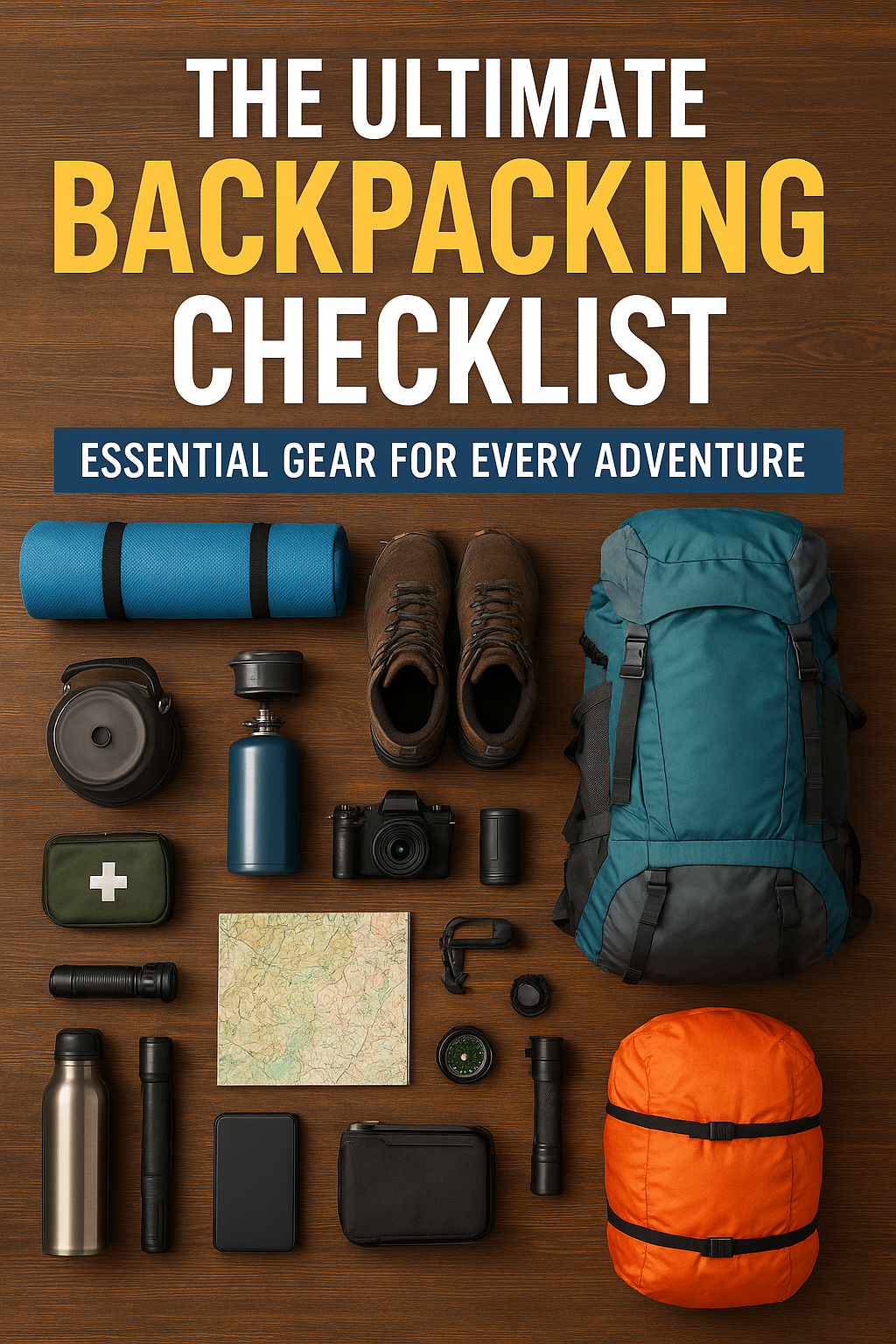
The Ultimate Backpacking Checklist: Essential Gear for Every Adventure

Planning a backpacking trip can feel overwhelming without a proper checklist. Whether you’re new to backpacking or a seasoned hiker, this ultimate backpacking checklist ensures you pack everything you need for a successful and lightweight adventure.
From essential gear to packing tips, this guide has you covered to maximize comfort, safety, and enjoyment on the trail.
Outline of the Article
- Why is a Backpacking Checklist Essential for Your Trip?
- How to Choose the Right Backpack for Your Hike
- What Sleeping Bag and Pad Should You Bring?
- Backpacking Food Essentials: What to Pack and Eat on the Trail
- Camp Kitchen Gear: Lightweight Cooking Tools for Backpackers
- Backpacking Clothing: How to Layer for Comfort and Weather Protection
- Must-Have Safety Gear: First Aid Kit, Compass, and More
- Lightweight Gear Tips to Reduce Pack Weight
- Backpacking Tips for 2-5 Day Backpacking Trips
- Leave No Trace Principles: Protecting Nature During Your Adventure
Why is a Backpacking Checklist Essential for Your Trip?
A backpacking checklist ensures nothing important is left behind. Forgetting essential backpacking gear, like a sleeping pad or first aid kit, can compromise safety and comfort. Packing systematically also prevents overpacking and helps save weight in your pack.
Key Benefits of a Checklist:
- Guarantees safety and preparedness.
- Helps balance weight and space.
- Reduces the chances of leaving crucial items behind.
Example Scenario: Imagine reaching camp only to realize you forgot your rain gear. A thorough checklist prevents such mishaps and keeps your backpacking trip smooth.
How to Choose the Right Backpack for Your Hike
When embarking on a backcountry trek, selecting the appropriate backpack is paramount. Consider the volume of your gear, as a backpack with a capacity of 50 to 70 liters is suitable for an overnight trip.
Ensure it accommodates essentials such as water bottles, a water filter, and food and snacks. Moreover, pack two pairs of synthetic or wool socks, as these materials wick moisture effectively and take a long time to dry.
Furthermore, it is advisable to always bring sunscreen to protect your skin from harmful UV rays.
A trekking pole can enhance stability on rugged terrain, while a trail runner may prefer a lighter pack. A ziplock bag can be invaluable for keeping items dry and organized.
Additionally, consider the clothing you pack, and remember to bring a beanie for warmth during cooler evenings. Ultimately, select a backpack that you are willing to carry comfortably throughout your journey.
Lastly, focus on the practicality of your supplies. Having a way to filter water ensures hydration while cleaning your hands before meals is essential for hygiene. By taking these considerations into account, you will be well-prepared for your hiking adventure.
Your backpack is the foundation of your setup. The best backpack for you depends on trip length, weight requirements, and comfort.
Key Considerations:
- Capacity: For a 2-5 day backpacking trip, a 50-70L backpack is ideal.
- Fit: Ensure proper torso length and hip belt adjustment.
- Weight: Lightweight designs save energy on the trail.
Popular Choices: Many backpackers recommend the REI Flash 55 or Osprey Atmos AG 65 for their durability and lightweight construction. Remember to include a waterproof pack cover in case of rain.
What Sleeping Bag and Pad Should You Bring?
Sleeping comfortably on the trail is crucial. Choosing the right sleeping bag and pad depends on weather conditions and your pack weight.
When embarking on a backcountry adventure, particularly on trails such as the Continental Divide Trail or the Colorado Trail, selecting the appropriate sleeping bag and pad is paramount for a successful trek.
A well-considered backpacking setup should include insulation that effectively wicks moisture away from your skin, ensuring comfort during your time on the trail.
Opt for a sleeping bag with a temperature rating suitable for the conditions you expect to encounter and pair it with a lightweight pad that offers sufficient support.
Additionally, while planning your gear guide, remember to always bring essential items such as water bottles and a water filter to ensure hydration aim for at least 3 liters per day.
Moreover, it is vital to consider sun protection; thus, sunscreen and a beanie should be included in your pack. When deciding how much food to carry, it is prudent to pack more food than you think, as strenuous treks can lead to increased caloric needs.
A general rule of thumb is to bring enough snacks and meals to sustain your energy, particularly for those long distances.
Keep in mind that blisters can form during extensive hikes, so a roll of duct tape and a pair of pants are recommended for quick repairs. By taking these considerations into account, you will enhance your outdoor experience and ensure peace of mind as you get to camp.
Sleeping Bag Essentials:
- Temperature Rating: For most backpacking trips, a 20°F bag is versatile.
- Material: Down sleeping bags are lightweight but may require a waterproof stuff sack. Synthetic bags are bulkier but better in wet conditions.
Sleeping Pad Essentials:
- Types: Foam pads (ultralight) or inflatable pads (more comfort).
- R-Value: Higher ratings offer better insulation. Aim for 3+ for colder conditions.
Combining a lightweight sleeping pad and bag reduces overall pack weight without sacrificing comfort.
How to Go to the Bathroom in the Woods
When you’re backpacking in the woods, knowing how to go to the bathroom is an essential skill. Before heading out, make sure to include this in your backpacking packing list.
It’s important to have the right outdoor gear, so pack a small trowel as an essential piece of gear for digging a cathole at least 200 feet away from water sources and trails.
Always remember to bury your waste six to eight inches deep. If you’re going on a day hike or an overnight backpacking trip, don’t forget to bring along lightweight backpacking food and a backpacking pillow for comfort.
As you prepare for your first backpacking trip, consult a complete backpacking checklist to make sure you have all the gear essentials.
Your gear list should include a reliable backpacking tent and sturdy hiking boots. If you plan on being out for 3-5 days, pack enough backpacking meals to sustain your energy.
Lastly, don’t forget to sure to check your gear repair supplies, ensuring you can handle any mishaps in the backpacking world.
Backpacking Food Essentials: What to Pack and Eat on the Trail
Nutrition is critical during hikes, as you’ll burn thousands of calories daily.
Backpacking Food Basics:
- Lightweight Foods: Dehydrated meals, trail mix, and energy bars.
- Balance: Combine carbohydrates, protein, and fats.
Storage Tips:
- Use a bear canister or a bear hang system for wildlife safety.
- Pack meals in lightweight stuff sacks to organize your backpacking kitchen.
Example meals include Backpacker’s Pantry dehydrated meals or homemade oatmeal packets.
Camp Kitchen Gear: Lightweight Cooking Tools for Backpackers
Cooking gear doesn’t have to weigh you down. A lightweight backpacking kitchen setup keeps meal prep simple.
Camp Kitchen Checklist:
- Backpacking Stove: Ultralight stoves like the MSR PocketRocket.
- Canister: Small fuel canisters are ideal for shorter trips.
- Cookware: A titanium pot, spork, and small mug cover basics.
For no-cook options, consider cold-soak meals, especially on ultralight backpacking trips.
Backpacking Clothing: How to Layer for Comfort and Weather Protection
Packing the right clothing ensures you’re comfortable and prepared for weather changes.
Clothing Essentials:
- Base Layer: Moisture-wicking tops and bottoms.
- Mid Layer: Insulating pieces like fleece or down jackets.
- Outer Layer: Waterproof rain gear is a must.
Don’t forget accessories like a warm hat, gloves, and quick-drying socks. For lightweight backpacking, avoid cotton and opt for synthetic or merino wool materials.
Must-Have Safety Gear: First Aid Kit, Compass, and More
Safety gear can make or break your trip in an emergency.
Safety Gear Checklist:
- First Aid Kit: Include bandages, antiseptic wipes, and any personal medications.
- Map and Compass: Know how to use these tools. GPS apps like AllTrails can also help.
- Emergency Gear: A whistle, headlamp, and multi-tool are essential.
Packing these items ensures you’re prepared for unexpected challenges.
Lightweight Gear Tips to Reduce Pack Weight
Minimizing the weight of your pack is vital for a more enjoyable hike.
Tips to Save Weight:
- Opt for ultralight gear, such as titanium cookware and a down sleeping bag.
- Share gear like tents or stoves if hiking in groups.
- Replace bulky items with lighter alternatives, like a stuff sack for clothes.
Weigh your gear beforehand to keep your pack under 20% of your body weight for comfort.
Backpacking Tips for 2-5 Day Backpacking Trips
Shorter backpacking trips require strategic packing to stay lightweight yet prepared.
Key Tips for Multi-Day Hikes:
- Plan resupply points if needed.
- Use a comprehensive backpacking checklist to ensure you pack all essentials.
- Test your gear beforehand, especially your sleeping setup and cooking gear.
For first-time backpackers, choose established trails like the Appalachian Trail or Pacific Crest Trail sections.
Leave No Trace Principles: Protecting Nature During Your Adventure
Leave No Trace (LNT) principles ensure the environment stays pristine for future backpackers.
LNT Guidelines:
- Pack It In, Pack It Out: Carry all trash, including biodegradable items.
- Stay on Trails: Prevent erosion and protect wildlife.
- Dispose of Waste Properly: Use a trowel to bury human waste at least 200 feet from water sources.
Following these principles preserves the beauty of outdoor travel for everyone.
Summary of Key Takeaways
- Always use a comprehensive backpacking checklist to stay organized.
- Choose lightweight backpacking gear, such as a sleeping bag and pad suited to weather conditions.
- Plan meals carefully and store them in a bear canister for safety.
- Pack essential safety items, including a first aid kit, compass, and emergency whistle.
- Layer clothing to stay comfortable and prepared for variable weather.
- Follow Leave No Trace principles to protect the environment during your hike.
With these tips and tools, your backpacking adventure will be safe, enjoyable, and unforgettable.
